
Advancing from AI-Ready to AI-Powered: Meeting the Challenge of Transforming Business Processes by Training AI
Dec 23, 2025
Now with the foundation in place, this second feature in the series looks at the next step.
Mr. Urita and Mr. Waku of the IT Promotion Division describe the strategy of the new Digital Promotion Group established in April 2025. Additionally, Mr. Sakai of the Business Process Planning Division shares insights into specific applications of AI in operations, including the Pre-transaction Verification AI released in August of this year.
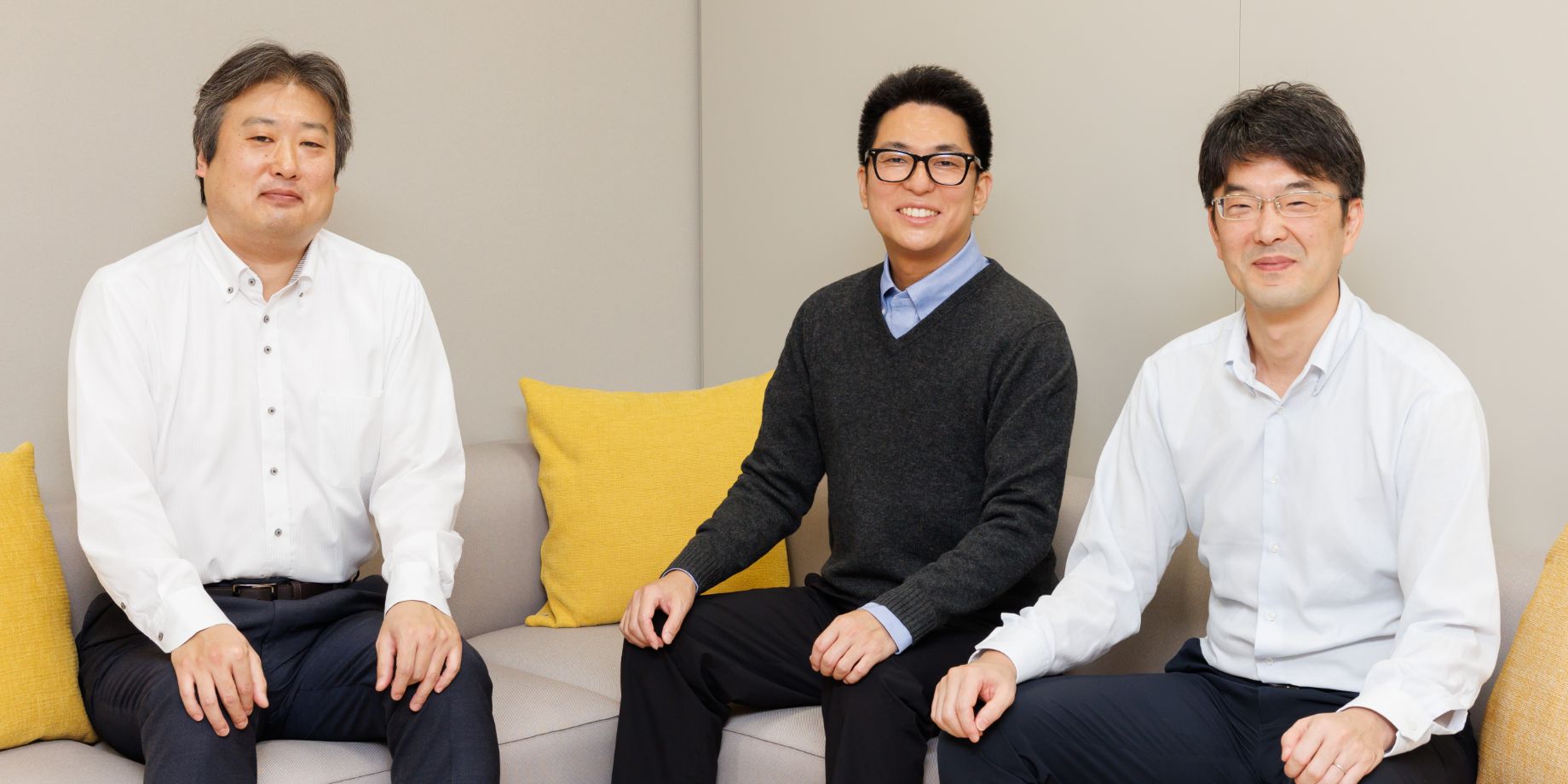
From left: Taketo Sakai, Business Process Planning Division; Shunsaku Waku, Digital Promotion Group, IT Promotion Division; and Takashi Urita, Digital Promotion Group, IT Promotion Division
Tokyo Century’s Initiatives Open the Door to the Age of AI
—How has Tokyo Century been using generative AI so far?

Waku
In fiscal 2024, the IT Promotion Division and the dX Strategy Division prepared an environment for safely using generative AI. Building on that foundation, we encouraged company-wide adoption under the motto “try it first,” and average individual usage reached around 60%. (For more on this, please see the previous article.) At the same time, precisely because use expanded, the next challenge became clear: How can we embed AI into actual operations? The challenge for fiscal 2025 is moving from “try it first” to “apply it in day-to-day work.”

Urita
The Digital Promotion Group was established in April 2025 as a specialist organization to address these issues and to be more strategic in promoting the use of data and AI. The group has two major roles. The first is to strengthen competitiveness and enhance corporate value through advanced technologies such as AI. The second is to improve administrative operations through digitalization. We also collaborate with business units such as the Business Process Planning Division to develop specialists and raise AI literacy among employees, aiming to serve as a core driver of Company-wide digital transformation.
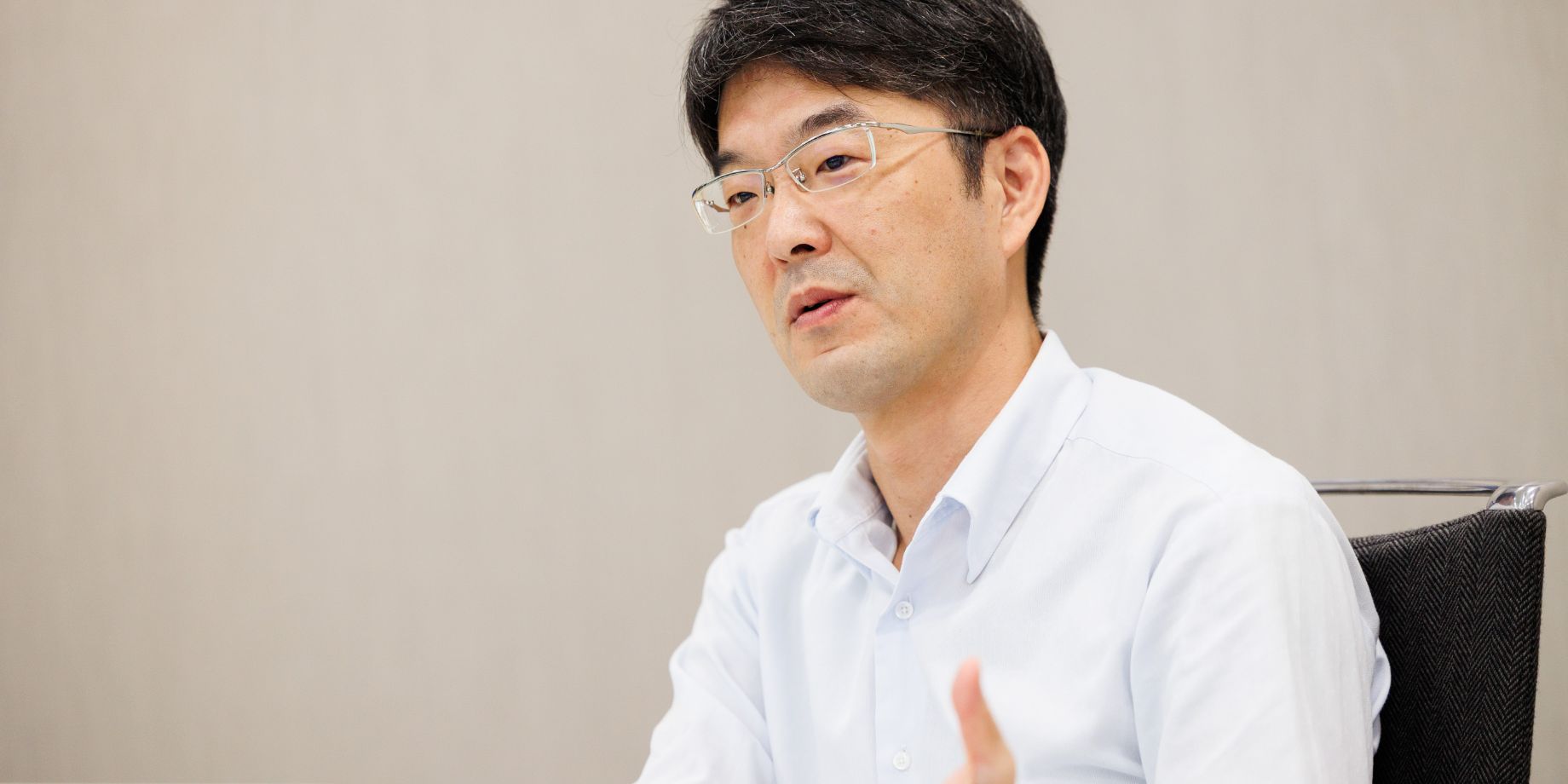
Urita: To advance digital transformation, it’s important not to fear change, to appreciate working together with AI, and to maintain a willingness to keep learning.
—Can you give us the background for the Pre-transaction Verification AI that was released in August 2025?

Waku
As part of our efforts to expand the use of generative AI, we conducted interviews with the relevant divisions to identify operational issues. These discussions revealed that many departments were spending a lot of time handling inquiries. In particular, pre-transaction verification handled by the Business Process Planning Division involves complex rules and a high volume of transactions, requiring significant workloads. So we launched a joint project with that division, as the issues were clear and the potential benefits of automation were expected to have the greatest impact there.
The Business Process Planning Division receives a large number of inquiries from sales offices regarding pre-transaction verification. Many of these cases require different responses depending on the circumstances, and written manuals alone cannot adequately address nonstandard situations. As a result, the division has come to rely on the knowledge of veteran employees, which has long been a challenge. We needed a mechanism that would allow AI to learn from this expertise and provide accurate answers whenever needed.

Sakai

Urita
Tasks such as pre-transaction verification must be performed using closed internal information. Unlike Gemini, which draws from a wide range of online sources, NotebookLM generates responses solely from the data we provide. We determined that this characteristic made it the best fit for this work. We also needed to reexamine the source materials the AI references in order to further improve the accuracy of its responses.
The Journey of Operational Reform Starting with a Shift from Using to Training AI
—When did you begin developing the Pre-transaction Verification AI, and how did you proceed?
We began examining the idea in June 2025. The first challenge we faced was accuracy. As our division must ensure a high level of accuracy in all of its operations, we were very concerned about entrusting inquiry handling to an AI platform that carries a risk of hallucination. Determining the required level of accuracy proved quite difficult, and the Digital Promotion Group and the Business Process Planning Division continued to discuss the issue closely as the project moved forward.

Sakai

Waku
During development, we presented a wide variety of questions to the AI. When the results fell short of expectations, we examined what additional information was needed to guide it toward correct responses and incrementally refined the inputs, case by case, to make steady progress.
At first, because we were uncertain about NotebookLM’s level of accuracy, we felt that limiting its use within the division would be sufficient. However, as development progressed, we began to see the value of broader adoption, as more people could use the tool while also improving AI literacy across the Company. Once Company-wide deployment became feasible, we shifted our approach from aiming to release a “perfect” AI to training the AI through practical use, working alongside employees as its capabilities evolved.

Sakai

Urita
Release is just the starting line. Training AI is like raising a new employee. No matter how capable someone may be, no one is perfect from day one. New hires do not initially understand company-specific rules or culture; they learn and grow through ongoing conversations with senior colleagues and managers. AI is no different. As it gains “experience” through data and repeated refinement of its output, it evolves into a form that best serves our needs.

Sakai: We were pleasantly surprised that we were able to deploy the Pre-transaction Verification AI across the Company.
—How do you think AI will change work and the way people work?
Automating inquiry handling reduces the burden on the Business Process Planning Division, while enabling sales offices to obtain answers immediately and respond to customers more quickly. The time and effort saved can be redirected to higher value-added tasks such as planning and problem-solving, improving productivity across the organization.

Sakai

Waku
Using generative AI as a sounding board during the planning phase can also enhance the quality and accuracy of outputs. In some cases, this approach has already led to new insights and ideas for new business.
We hold a biweekly Digital Adoption Forum to share learnings across the Company. These sessions cover a range of topics, from basic AI tool usage to employee case studies, with the aim of developing digital talent and raising AI literacy Company-wide. As inquiry-handling tools are particularly well suited to manual-intensive divisions such as the Business Process Planning Division, we also provide our knowledge and hands-on support to other divisions and affiliated companies engaged in similar work.

Sakai
Increasing AI Literacy to Move from AI-Ready to AI-Powered
—Which phase of generative AI use is the Company currently in?

Waku
According to the five-level framework published by Keidanren, our company is now at Level 2: the initial stage of being AI-ready. This is a small-start phase in which certain divisions have begun to use AI for some tasks. During this fiscal year, we aim to link AI with core systems and multiple data sources that are currently dispersed. For example, when receiving a business inquiry or investment consultation, AI could perform credit assessments based on corporate information and past records, reducing the need for manual review. This would address a strong internal need, and we want to implement it as soon as possible.
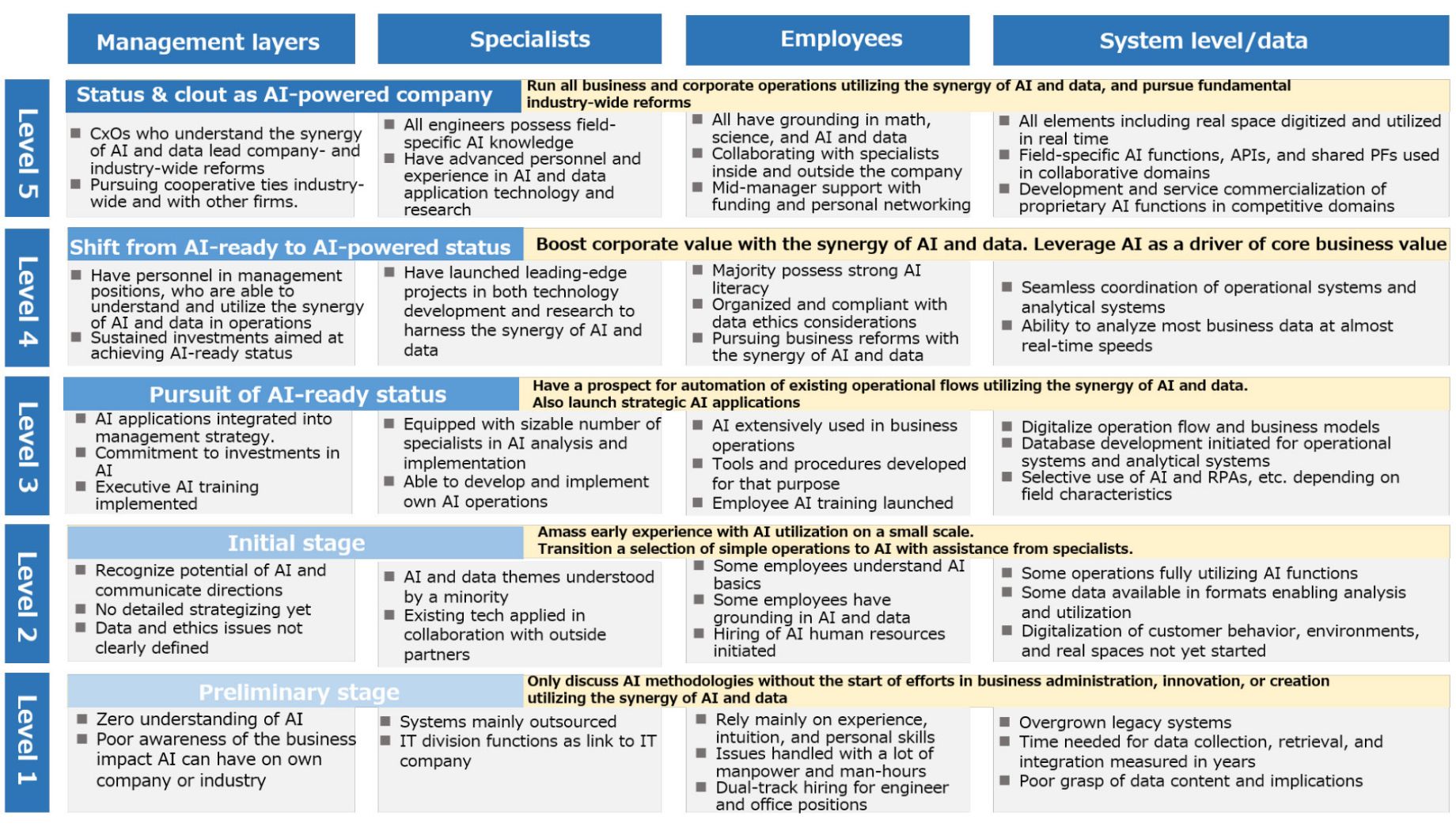
AI-Ready Companies(Source: Ministry of Internal Affairs and Communications: Keidanren’s concept of AI use)
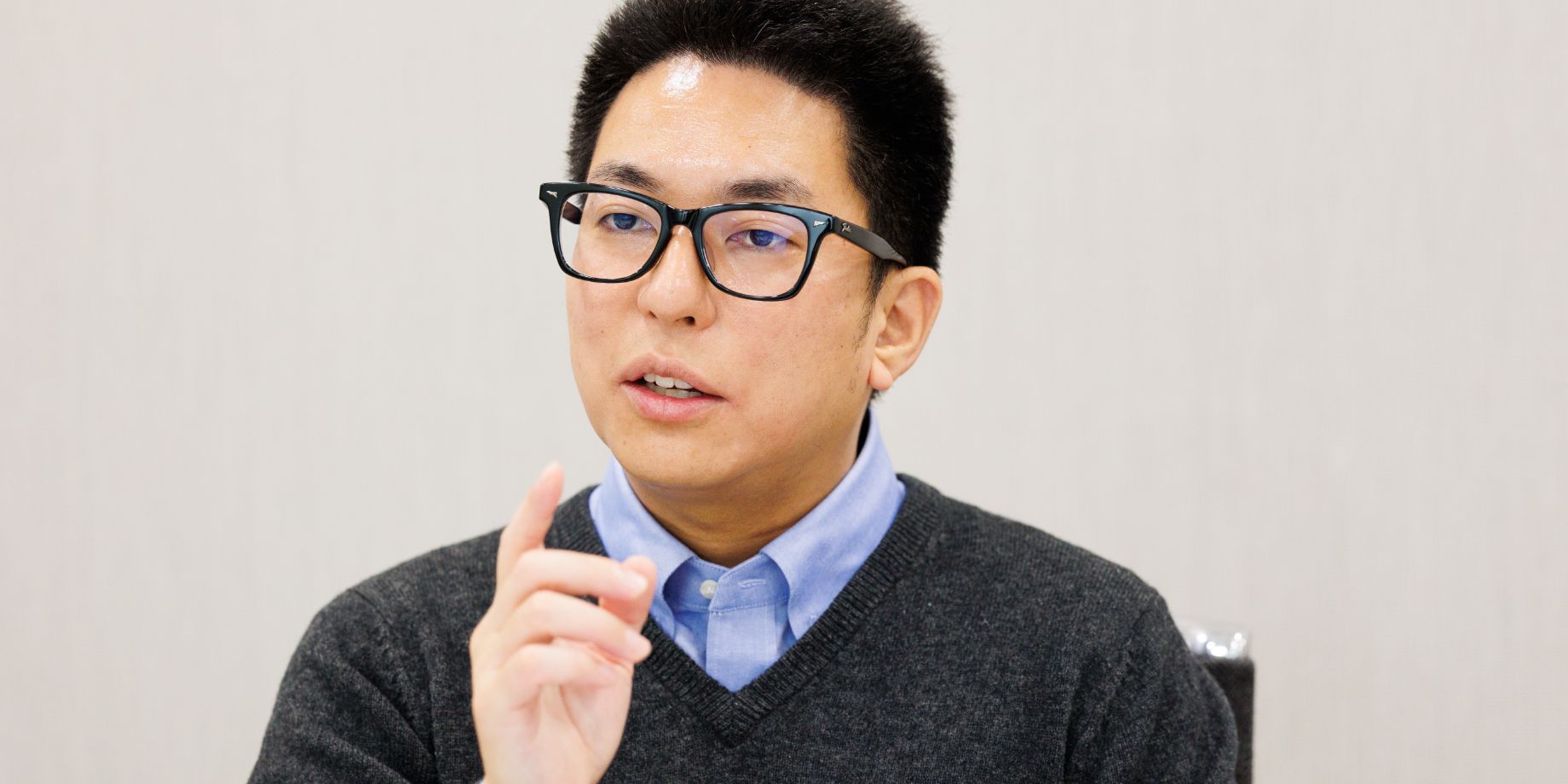
Waku: Ultimately, we want to move beyond asking AI how to perform tasks and toward a world in which AI can act on our behalf, even when we’re not familiar with the detailed procedures.
—What’s necessary for the Company to evolve from AI-Ready to AI-Powered?
First, we must recognize that AI is not a magic wand and properly understand both its capabilities and limitations. With the right knowledge and skills to use generative AI effectively, we can build a mechanism, such as the Pre-transaction Verification AI, that fully leverages the Company’s vast, untapped data and expertise. This will bring us closer to the future we envision.

Sakai

Urita
In April 2025, we began sharing AI-related updates as part of internal training, aiming to enhance employees’ AI literacy. Their interest has been strong, and going forward it will be important to deepen understanding of the practical and knowledge-based aspects of AI, including the fact that it is not all-powerful.

Waku
One key skill in the coming AI era will be the ability to articulate thoughts precisely. AI will be used across all types of work to generate and refine ideas, making effective interaction with AI essential. The more clearly problems and concepts can be expressed in words, the higher the quality of the AI’s output. Just as with prompts in Gemini, the ability to clearly convey intent will increasingly determine outcomes.
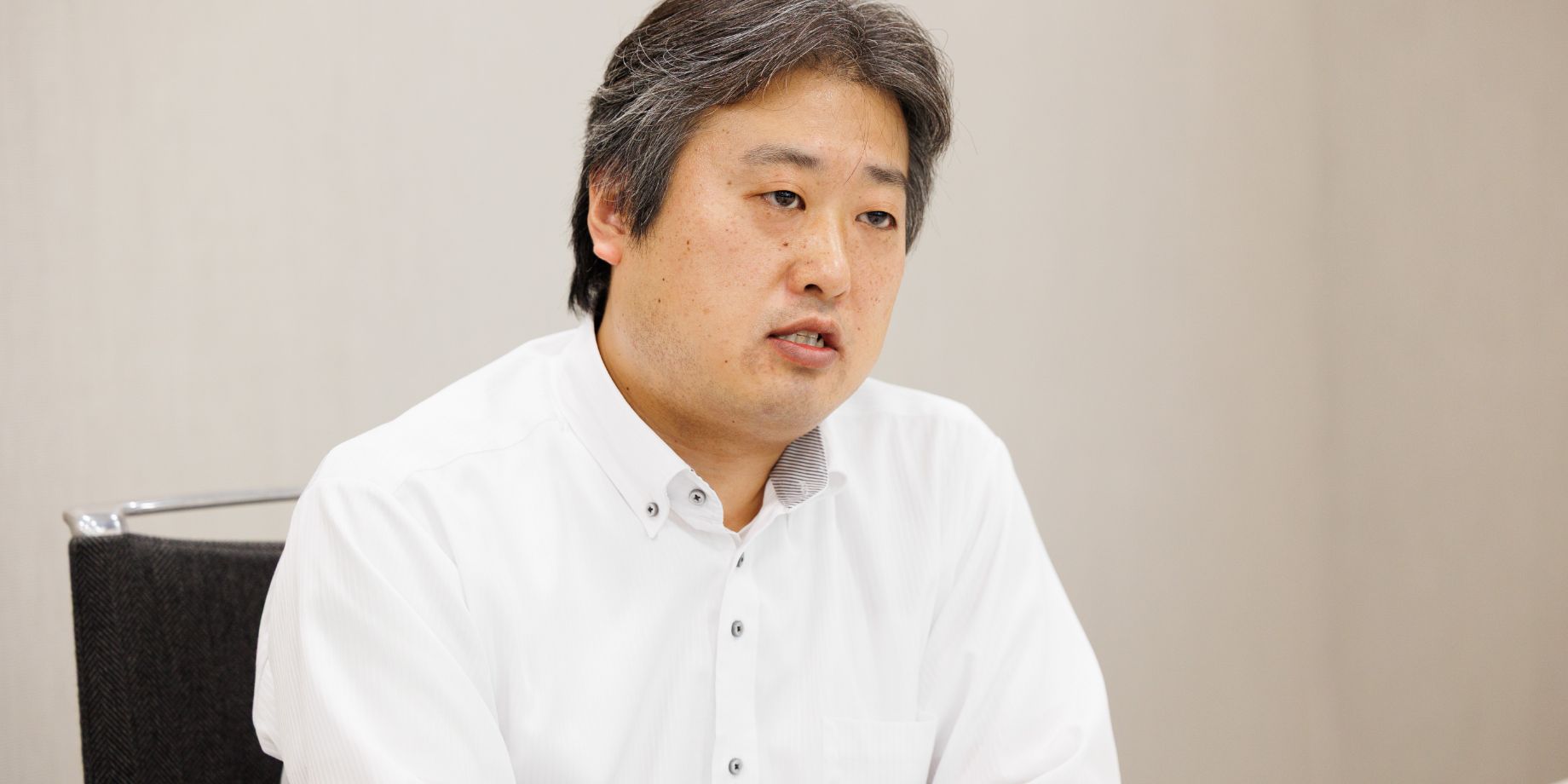
Sakai: I think the entire organization will become AI-powered once people develop sufficient AI literacy to use it effectively and business processes are designed to support effective AI use.
Advancing into a New Stage of AI Use through Cross-Divisional Co-Creation
—What are you planning for the future?

Waku
The Pre-transaction Verification AI handles inquiries by accumulating the information needed to generate the most appropriate responses. In other words, the same approach can be applied to other business tasks by changing the data used to train the AI. We have already begun collaborating with divisions beyond the Business Process Planning Division and are discussing plans to launch a new internal service by the end of the year. Through these efforts, we also hope to strengthen connections across divisions and among employees.
This Pre-transaction Verification AI represents the first step toward Company-wide AI use, and new directions will continue to emerge as generative AI evolves. The Business Process Planning Division will deepen its understanding of frontline sales challenges through its administrative support and develop an environment that enables sales teams to focus on higher value-added work.

Sakai

Urita
The use of AI as a business support tool, particularly through AI agents, is advancing rapidly. We believe AI can transform our working environment as it processes increasing volumes of internal and external data and acquires autonomous, multifaceted capabilities, such as computer vision and task execution. This will free employees from repetitive routine tasks, allowing them to concentrate on work that requires creativity and advanced judgment. The IT Promotion Division aims to lead this transformation by formulating and executing the next strategic steps to help guide the industry forward.
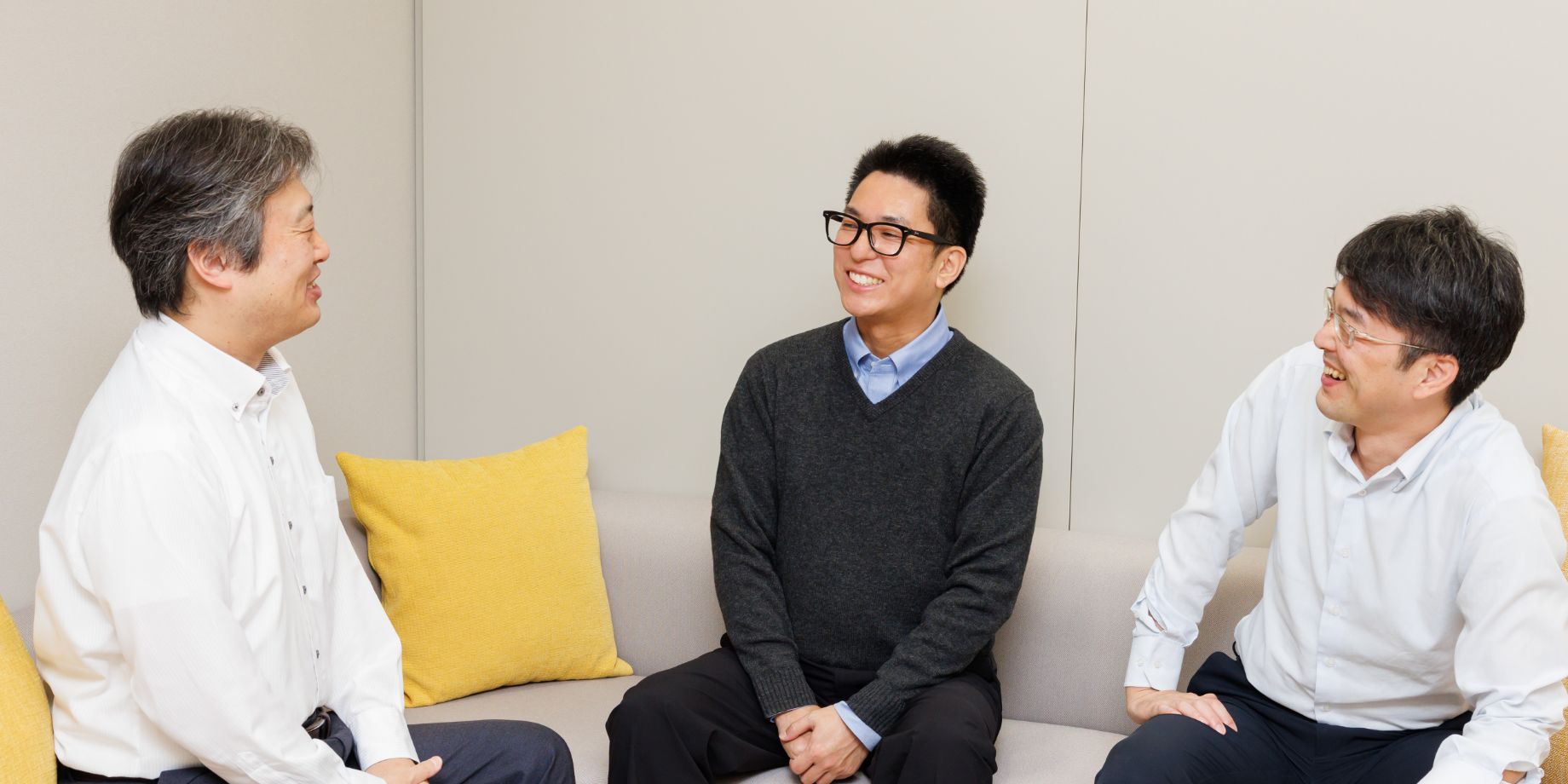

Takashi Urita
Deputy General Manager, Digital Promotion Group, IT Promotion Division
Urita joined Tokyo Century as a mid-career hire in 2015. Prior to joining the Company, he worked at several organizations, including IT system development and consulting firms. At Tokyo Century, he has been involved in a wide range of projects, including the development and maintenance of core systems for leasing operations, PMO activities, system planning, and development support for affiliated companies.

Shunsaku Waku
Manager, Digital Promotion Group, IT Promotion Division
Waku joined Tokyo Century as a mid-career hire in 2025. He has been involved in system planning, development, and operation across a variety of sectors, including government agencies and manufacturing companies. He joined Tokyo Century at the launch of the Digital Promotion Group and is promoting the adoption and use of advanced technologies, including generative AI.

Kento Sakai
Business Process Planning Division
Sakai Joined Tokyo Century as a mid-career hire in 2013. Previously, he was responsible for the introduction, operation, and maintenance of information equipment. At Tokyo Century, he has worked in kitting, data erasure, and sales of information equipment. In 2022, he transferred to the Business Process Planning Division through the Career Challenge Program and is now involved in promoting digital transformation and digital utilization.
*The contents of the article and the position titles are as of the date posted.

RECOMMEND ARTICLES
Aug 27, 2025
With the increasing …
—Plug and Play Japan × Tokyo Century
Feb 19, 2025
Collaboration with s…