
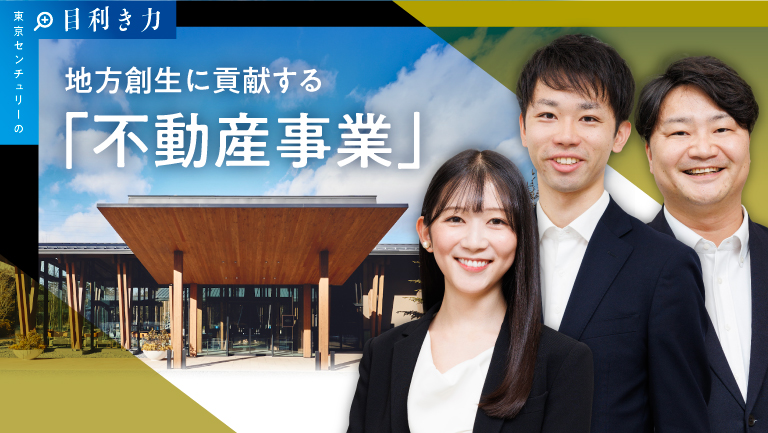
The core strength of Tokyo Century’s business is our discerning eye—that is, deep insight into assessing the value of assets and market potential. This feature explores how that ability is demonstrated across six of Tokyo Century’s key business areas for the benefit of society.
This third article focuses on our real estate business, which is committed to urban development, regional revitalization, and the creation of social infrastructure. Its diverse operations include the redevelopment of large-scale office buildings, the establishment and operation of hotels, and the leasing of logistics facilities. We spoke with Masahiro Nogami and Mayu Kojima from Real Estate Finance Division I, and Ryuta Katsuyama from Real Estate Finance Division II, about the business’s operations, competitive strengths, and what makes their work rewarding.
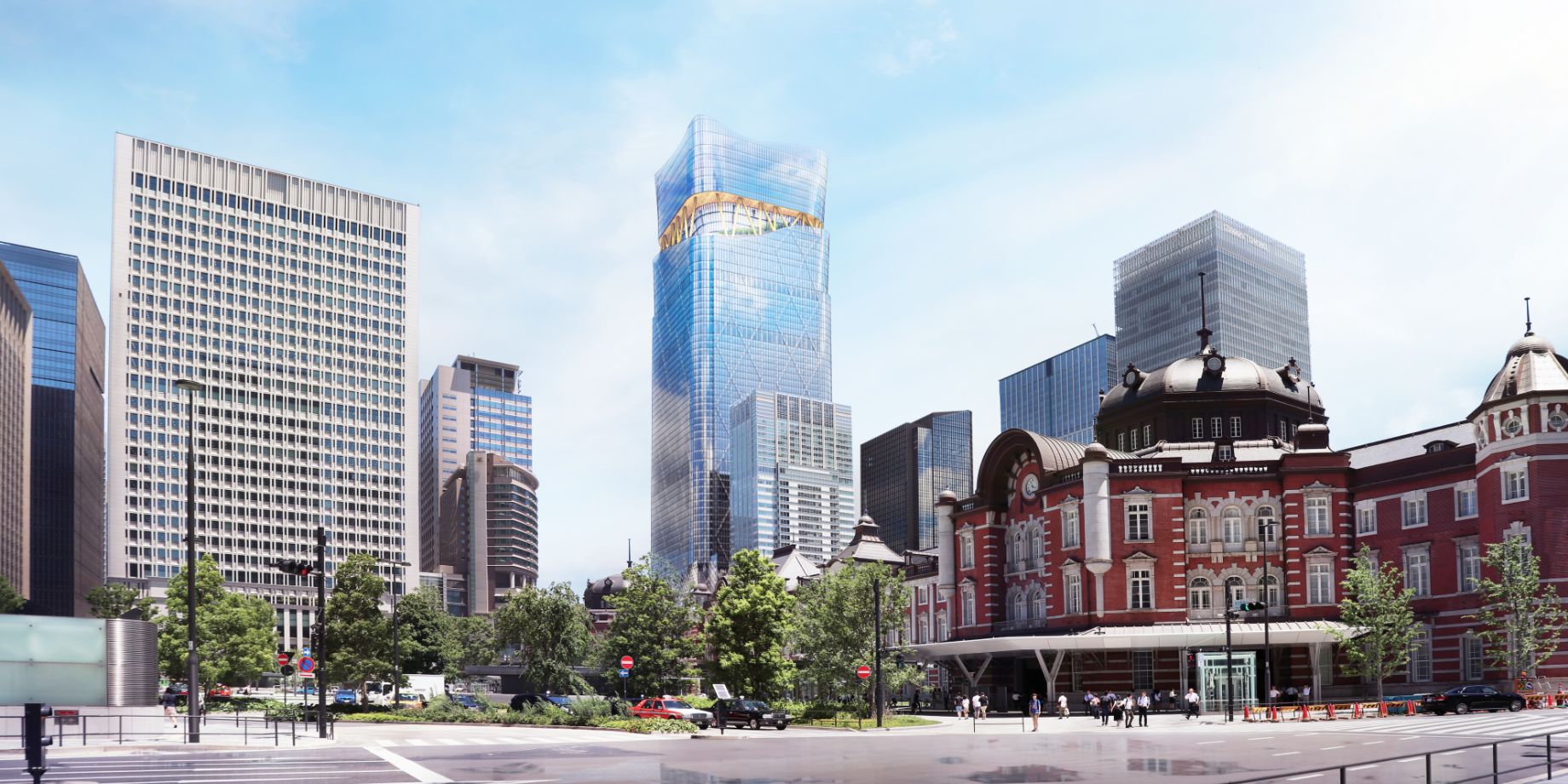
The TOKYO TORCH Redevelopment Project Constructing Japan’s Tallest Building
—Could you give us an overview of Tokyo Century’s real estate business and explain how it contributes to addressing social issues?
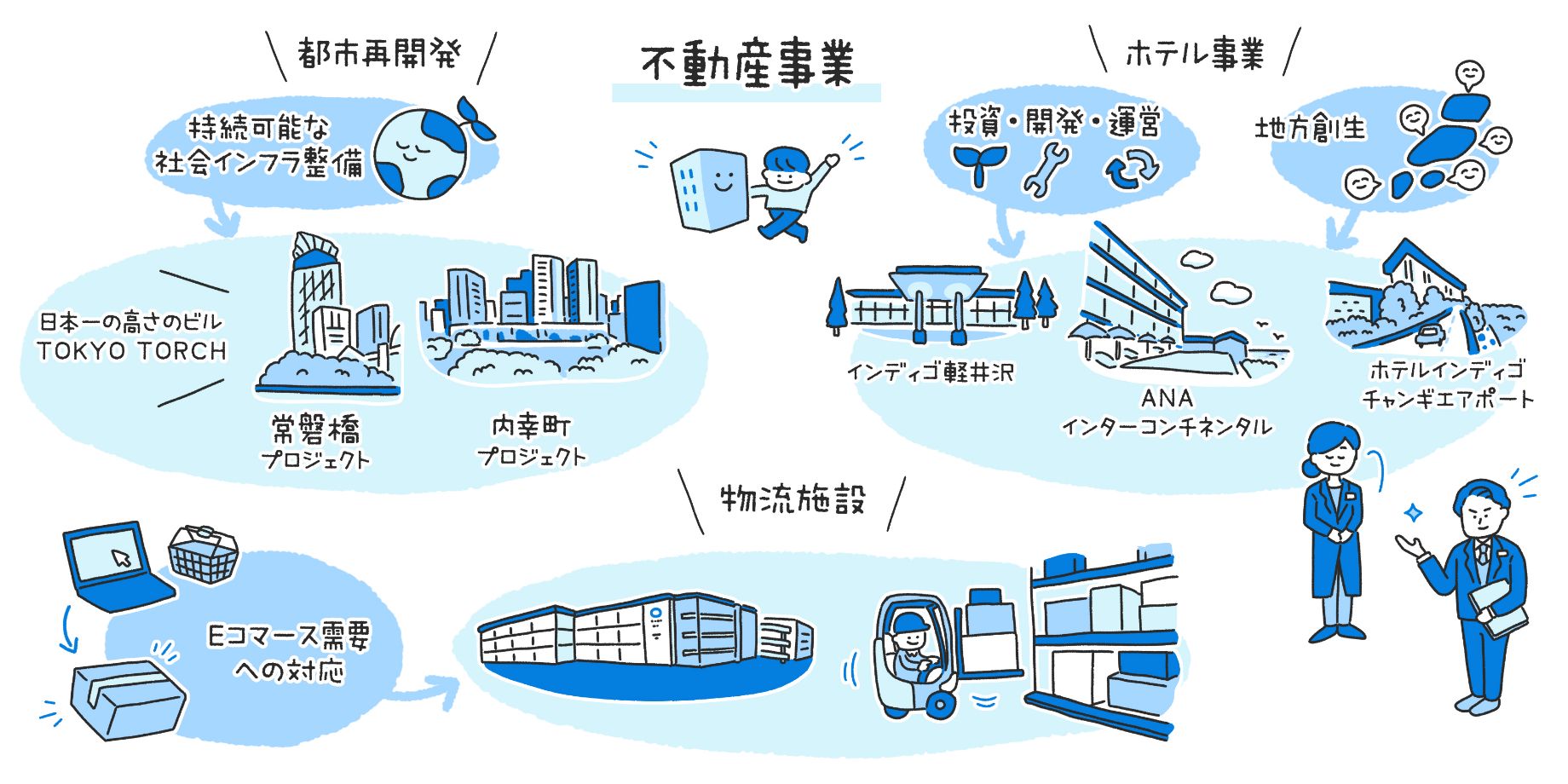
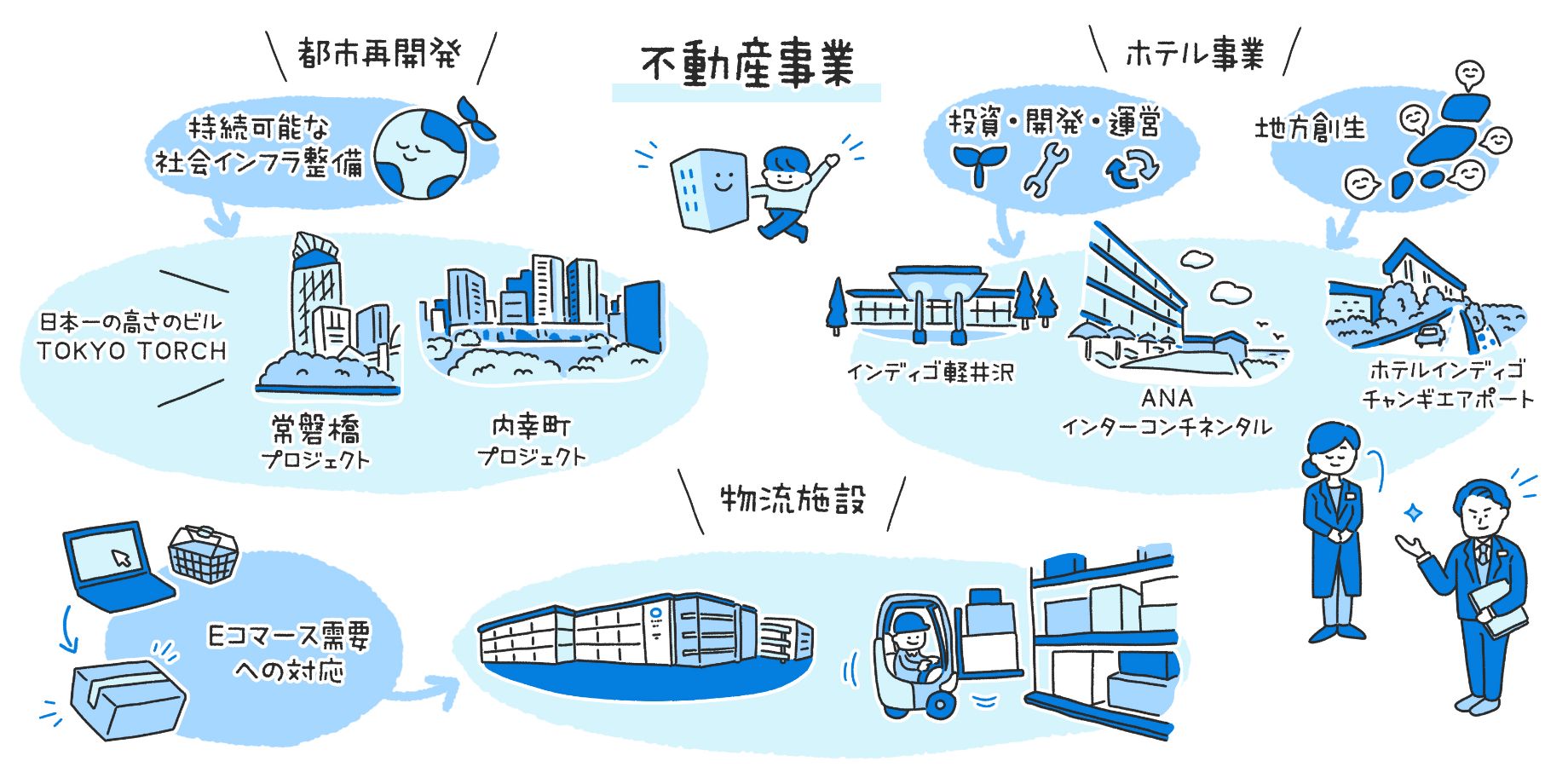
Nogami: Real Estate Finance Division I redevelops large-scale mixed-use complexes including office buildings. We are now collaborating with Mitsubishi Estate Co., Ltd. on the TOKYO TORCH Redevelopment Project in the Tokiwabashi area in front of Tokyo Station. By securing the world-leading luxury hotel brand Dorchester Collection, this project is now underway with the construction of what will be the tallest building in Japan.
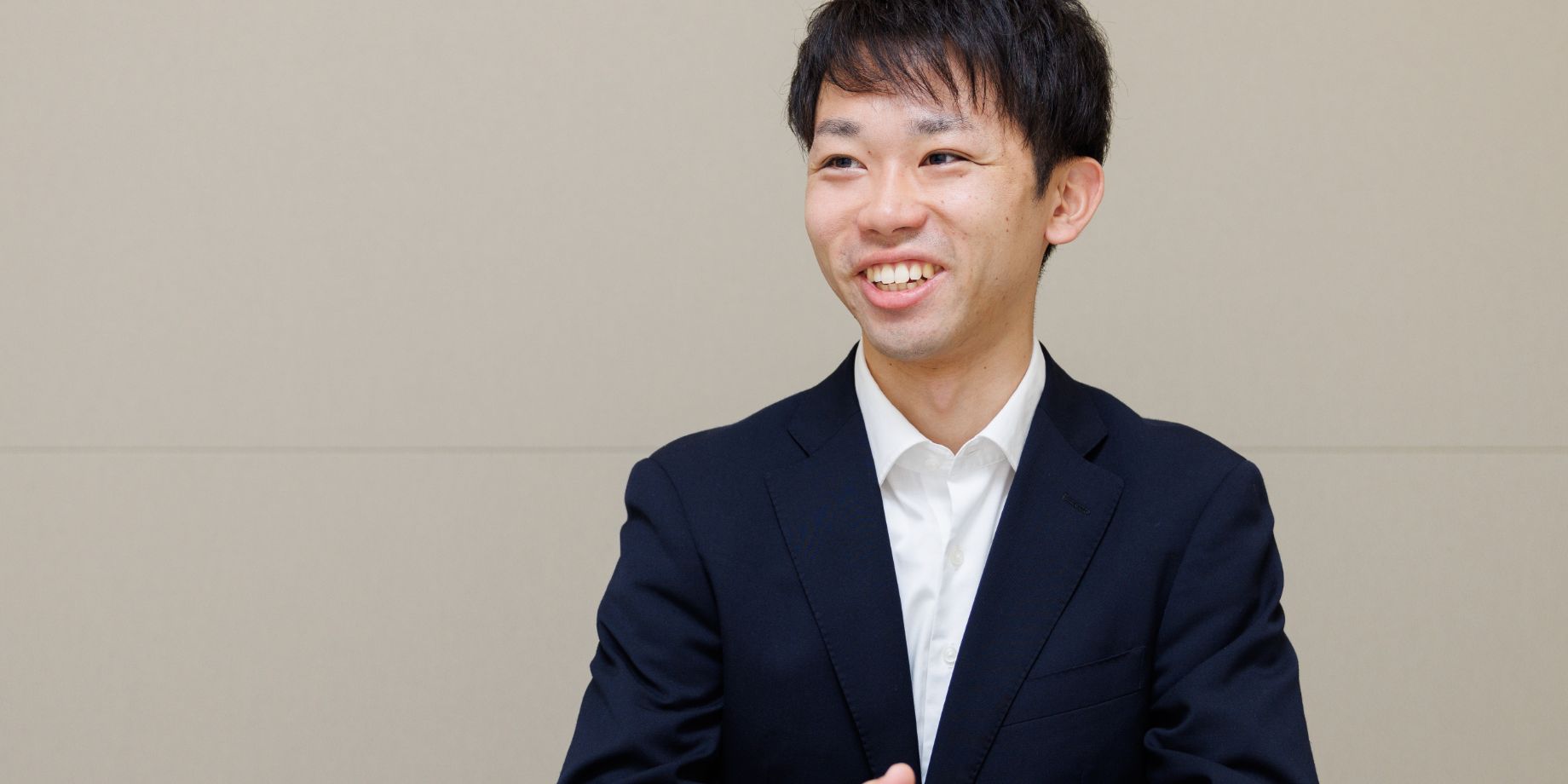
Nogami: We help create sustainable social infrastructure by revitalizing aging buildings and facilities and implementing dynamic urban development that shapes the flow of people in the city.
Developing ANA InterContinental Beppu Resort & Spa: Contributing to Regional Revitalization and Showcasing Local Appeal to the World
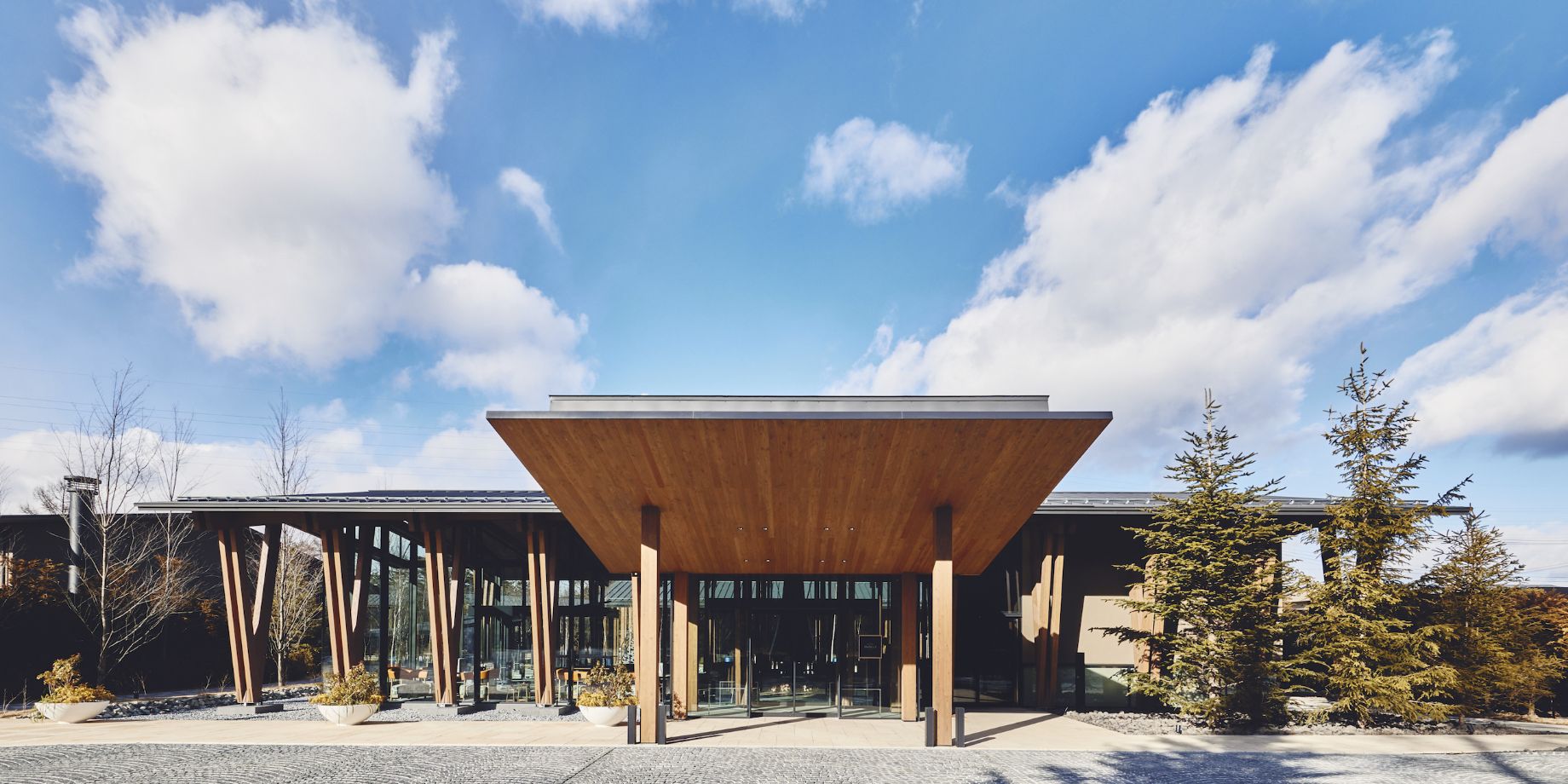
Kojima: I’m involved in the development and management of our hotel business. We opened the ANA InterContinental Beppu Resort & Spa in 2019 and Hotel Indigo Karuizawa in 2022. In both cases, Tokyo Century owned the assets and handled everything from development to operational strategy, and the projects received international awards.
Additionally, our division is developing Hotel Indigo Changi Airport, scheduled to open in 2028, with direct access to Terminal 2, as well as the luxury hotel in the TOKYO TORCH project mentioned by Mr. Nogami.
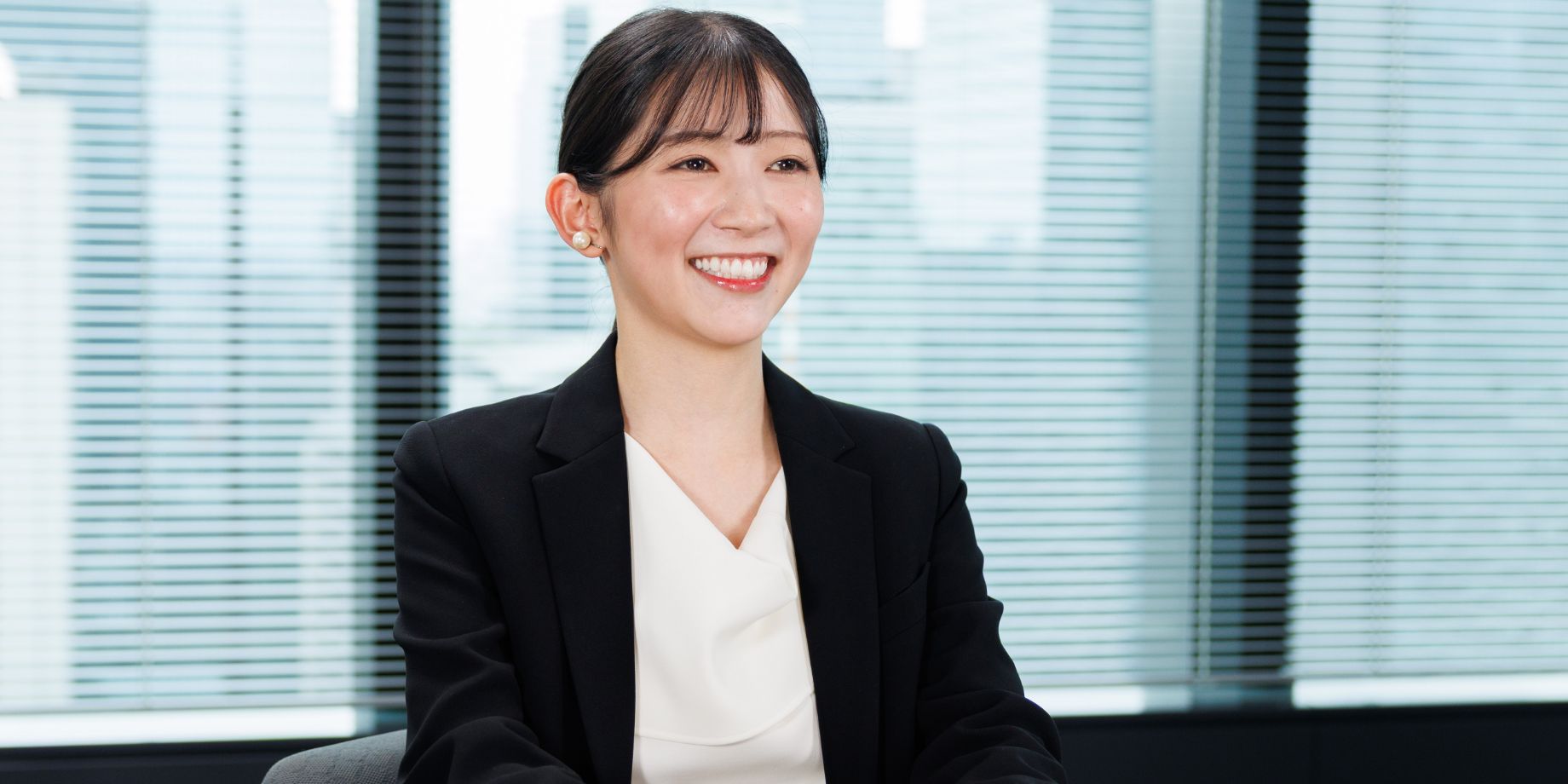
Kojima: Our hotel business plays a vital role in regional revitalization by promoting local consumption and job creation through tourism, as part of broader efforts to develop sustainable social infrastructure.
Proposing Asset Strategies Aligned with Market Demand and Trends through Our Evolving Logistics Facilities Leasing Services

Katsuyama: I’m responsible for the leasing of logistics facilities and other properties. One of these facilities developed by Tokyo Century is equipped for e-commerce operations and functions as a multi-tenant logistics hub. By creating facilities to meet the recently growing demand for e-commerce, we are strengthening their functions as part of the social infrastructure.
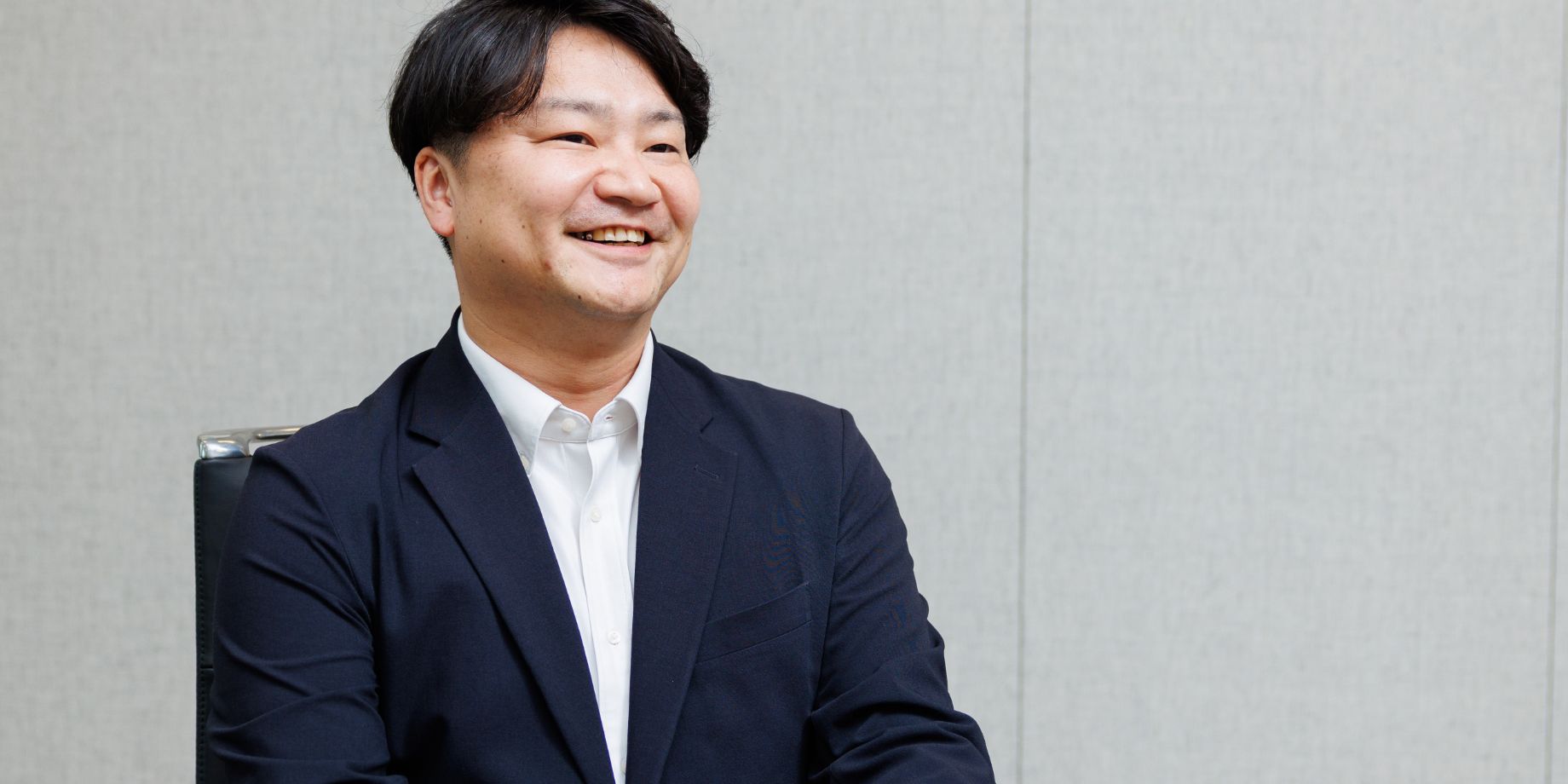
Katsuyama: Tokyo Century’s strength lies in its ability to propose real estate asset strategies and financing solutions that meet current market trends and society’s needs, which I believe also helps address social issues.
Financing Insight Integral to Real Estate Development
—How does your business demonstrate the discerning eye that is one of Tokyo Century’s core strengths?
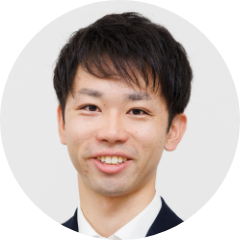
Nogami
It’s reflected in our ability to deliver value by leveraging expertise in both real estate and financing. The real estate business is highly sensitive to macroeconomic factors such as economic cycles and interest rate movements. This means that land prices and development costs can fluctuate significantly with economic conditions. Our strength in financing allows us to analyze these conditions effectively and propose optimal solutions while taking risks into account.
Large-scale investments are essential to urban redevelopment projects. I believe our strategic financing schemes, such as structuring loans and leveraging leases, lead to making better urban environments a reality.
I agree. Construction costs, particularly for large-scale developments, can reach tens of billions of yen. We deliver value by addressing the real estate challenges our clients face through financing, and I see our true strength in bringing together our expertise in real estate and financing.
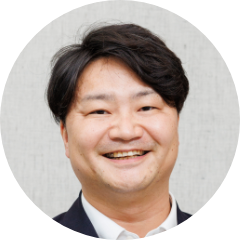
Katsuyama

Kojima
There are two ways in which the hotel business demonstrates our discerning eye. The first is market analysis and strategic positioning. We closely monitor macroeconomic conditions, take a holistic view of the market to determine how best to leverage our strengths, and analyze competing hotels to determine the most effective strategies to pursue. The second is project management. I believe we have developed strong expertise in planning new hotel facilities, as well as in budget and quality management.
The Satisfaction of Being Involved across the Entire Real Estate Lifecycle, from Acquisition to Disposition
—What do you find rewarding and interesting about this business?
I take satisfaction in being able to engage in a wide range of real estate activities. Tokyo Century handles properties that vary in scale and location, from logistics facilities to data centers and wholesale markets. My work spans a broad spectrum, from land acquisition and planning through to sales.
Katsuyama
Nogami
I get a lot out of engaging in new fields, whether that means developing Japan’s tallest building or collaborating with a global hotel operator in preparation for opening a luxury hotel. The larger the project, the more challenging it becomes to align the interests of all stakeholders. Being able to work through differing perspectives and ultimately reach a shared conclusion gives me a strong sense of accomplishment.
Kojima
What I find rewarding is being involved with real estate that is essential to everyday life and familiar to everyone. I’m motivated by knowing that the projects I work on contribute to happy memories for friends and family, and I’m encouraged when people say they enjoyed their stay at one of the hotels.
—Finally, what are your goals for the future?
Nogami:
I want to create things that have never existed before, like the project in the Tokiwabashi area. Although launching new ventures requires large-scale funding and involves investment risks, I want to make this possible by leveraging the financing capabilities and broad network of the Tokyo Century Group.
Koijma
To date, I’ve worked on projects following hotel openings. Going forward, I would like to gain experience from the development stage. By participating in land acquisition and initial planning, I hope to deepen my expertise in the hotel business.
I feel that the current environment, where I can be involved in a wide range of real estate projects, is extremely valuable. I’d like to make the most of this opportunity to gain experience in a variety of situations. What’s more, I hope to take on higher-risk, more advanced projects and get closer to the true essence of real estate.
Katsuyama
Masahiro Nogami
Real Estate Finance Division I
Nogami joined Tokyo Century as a new graduate in 2019. Since then, he has worked consistently in the real estate business, primarily in a finance support role. He has been involved in redevelopment projects in Tokyo’s Tokiwabashi and Uchisaiwaicho districts and is also set to take on overseas hotel projects.
Mayu Kojima
Real Estate Finance Division I
Kojima joined the company as a new graduate in 2024. She is involved in the management of ANA InterContinental Hotel Beppu Resort & Spa and Hotel Indigo Karuizawa, and is also responsible for facility renovation projects at the former. Outside of work, Kojima enjoys experiencing different types of hotels.
Ryuta Katsuyama
Real Estate Finance Division II
Katsuyama joined Tokyo Century mid-career in 2022. He previously worked in the real estate industry, where he was involved in land acquisition for development projects. Since joining the company, he has worked across a wide range of real estate leasing operations. Drawing on the knowledge and experience gained in his previous roles, Katsuyama also handles projects related to the construction of large-scale facilities.
*The contents of the article and the position titles are as of the date posted.


